
Furnace smells like burning is an alarming situation that frequently startles homeowners across Roselle, IL as cold winter weather forces heating systems into continuous operation throughout DuPage County. While a brief dusty odor during the very first autumn heating cycle is relatively normal, sharp chemical odors, scorched plastic smells, or sulfur aromas indicate serious electrical or combustion dangers. Understanding why your furnace smells like burning helps you differentiate harmless dust burn-off from dangerous mechanical malfunctions before home safety is compromised.
Residents across Roselle, Schaumburg, and Bloomingdale rely heavily on natural gas and electric heating systems during prolonged cold snaps. When unfamiliar burning smells waft through your supply registers, taking prompt investigative steps prevents equipment damage and keeps your family safe. Knowing what different burning odors signify empowers you to take decisive safety actions.
Common Reasons Why a Furnace Smells Like Burning
Pinpointing the precise scent characteristics helps identify why your furnace smells like burning and whether immediate professional intervention is required. Different odors correspond to distinct mechanical components within your heating unit:
- A mild dusty smell during initial startup caused by settled summer dust burning off hot heat exchanger surfaces.
- An acrid electrical burning smell resulting from an overheating blower motor, melted capacitor, or frayed electrical wiring.
- A sharp metallic or burning plastic odor caused by an object caught in the blower wheel or melting wire insulation.
- A sulfur or rotten egg smell indicating a hazardous natural gas leak from utility supply lines or cracked fittings.
Federal residential energy guidance from USA.gov highlights that regular residential heating upkeep preserves indoor air safety and reduces seasonal utility hazards. Homeowners can also consult our helpful overview on furnace tune-up steps to ensure burners, blowers, and safety switches are thoroughly inspected and cleaned before winter begins.
Dust burn-off should dissipate entirely within thirty to sixty minutes of seasonal operation. If burning scents persist beyond the first hour or intensify during normal heating cycles, your heating system requires immediate attention.
Immediate Safety Actions When Odors Persist
When unfamiliar scents emerge from your heating registers, prioritizing family safety prevents fire hazards and carbon monoxide exposure. Follow these vital safety steps if your furnace smells like burning:
- Shut off the heating system immediately at your wall thermostat and switch off the red emergency furnace power switch.
- Inspect your furnace air filter and replace it immediately if heavy dust accumulation is choking system airflow.
- Verify that supply vents and return grilles throughout the house are not blocked by furniture, rugs, or stored items.
- Check the utility room perimeter for combustible items, paint cans, or storage boxes placed too close to the furnace.
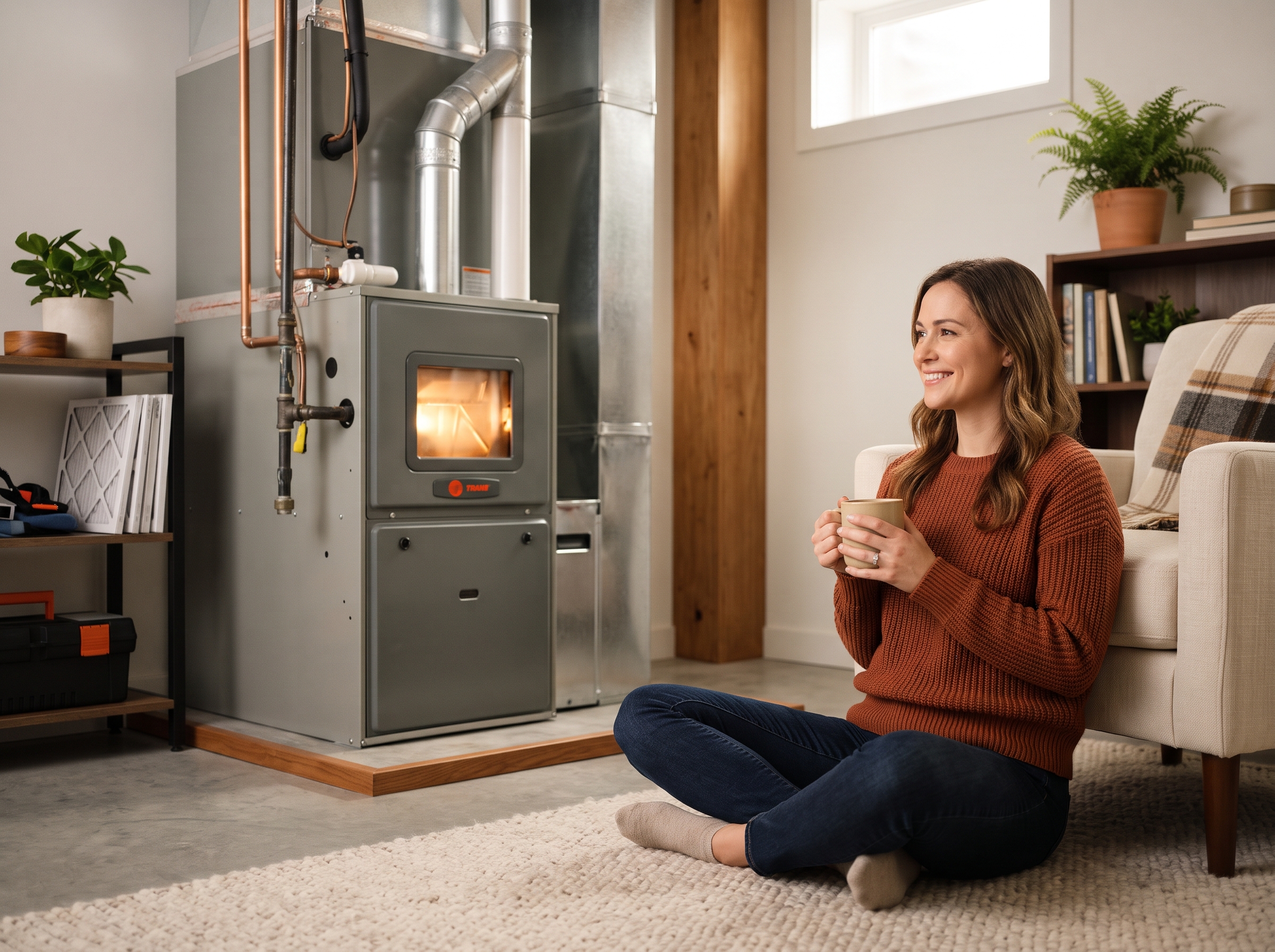
Public safety recommendations from the CDC urge homeowners to evacuate living spaces immediately if natural gas odors or carbon monoxide alarms activate during winter heating seasons.
If you detect a rotten egg sulfur odor, do not touch light switches, open garage doors, or use landline phones. Evacuate all occupants and pets immediately into fresh outdoor air and contact your gas utility company from a safe distance.
Professional Heating Diagnostics and Safety Inspections
A licensed HVAC technician uses specialized electrical meters and combustion analyzers to identify the root cause of persistent burning odors. Technicians inspect blower motor bearings, test capacitor capacitance, and check electrical terminal connections for signs of thermal arcing. Homeowners with aging heating units can review our guide on heating system upgrades to explore high-efficiency variable-speed furnaces.
Specialists also perform static pressure tests across ductwork. High static pressure caused by undersized or restricted ducts forces blower motors to work harder, generating excessive heat and electrical burning odors.
Why Heating Safety Matters in Roselle, IL
Roselle experiences harsh subzero temperatures and heavy snowstorms from late November through March. Prolonged winter weather keeps residential furnaces running continuously for hours at a time in neighborhoods near Medinah and Lake Street. Addressing odors quickly when your furnace smells like burning prevents catastrophic electrical fires, protects indoor air quality, and ensures dependable home comfort throughout every severe winter storm.
Cold Midwest winters require dependable performance from every heating component. When outdoor temperatures drop into single digits, proactive maintenance protects your family and heating investment from sudden heating failures. Ensuring your furnace operates cleanly and odor-free gives you complete confidence all season long.
Frequently Asked Questions
Is a burning smell normal the first time the furnace turns on?
Yes, a light dusty burning smell is normal during the first thirty minutes as summer dust burns off the heat exchanger.
What does it mean if my furnace smells like burning plastic?
A burning plastic odor usually indicates melted wire insulation, a failing capacitor, or a foreign object lodged near the blower wheel.
Can a clogged air filter cause my furnace to smell like burning?
Yes, a choked air filter restricts airflow, causing internal furnace components and the blower motor to overheat and emit burning odors.
What should I do if I smell rotten eggs or natural gas?
Evacuate your home immediately without operating electrical switches and call the gas company or 911 from a safe outdoor location.
How can I prevent burning smells from developing in winter?
Schedule an annual professional heating tune-up, change air filters regularly, and keep the mechanical room clear of combustible materials.
Restore Safe Home Heating in Roselle Today
Never ignore suspicious odors coming from your heating system. Comfort Pride Services delivers certified furnace diagnostics, electrical inspections, and emergency heating repairs across Roselle, IL and surrounding DuPage communities. Contact our licensed HVAC team today to schedule your heating inspection and keep your home safe and warm all winter.