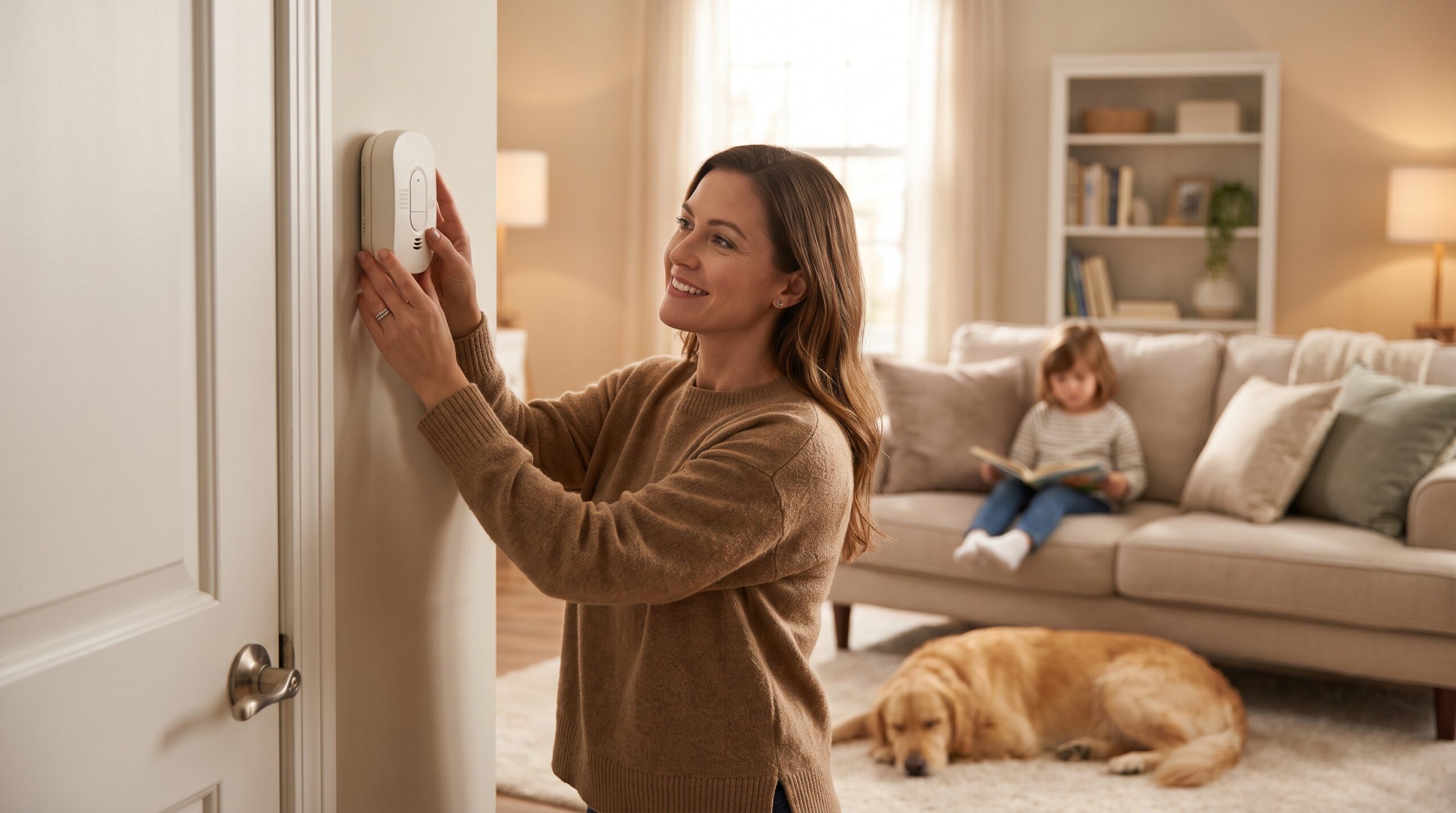
Carbon monoxide detector placement is a life-saving safety requirement for homeowners across Roselle, IL as furnaces, water heaters, and boilers ignite for the long winter season. Carbon monoxide is an invisible, odorless, and tasteless combustion byproduct that can escape from cracked furnace heat exchangers, blocked chimneys, or damaged exhaust flues. Following proper carbon monoxide detector placement guidelines ensures early warning before dangerous gas concentrations accumulate inside your DuPage County residence.
Every winter, residential heating equipment operates continuously across Roselle, Schaumburg, and Bloomingdale. While modern heating appliances incorporate multiple automated safety switches, mechanical wear, corrosion, and severe winter wind downdrafts can lead to hazardous combustion venting failures. Installing alarms in strategic household locations protects your family from silent poisoning.
Essential Guidelines for Carbon Monoxide Detector Placement
Positioning safety alarms correctly is just as critical as having them installed in your residence. Because carbon monoxide is roughly the same density as ambient room air, it disperses evenly throughout living spaces rather than pooling on the floor or rising to ceilings. Follow these key rules for carbon monoxide detector placement:
- Install at least one detector on every habitable floor of your home, including finished basements and occupied attics.
- Place a dedicated alarm within ten to fifteen feet of every bedroom door so sleeping occupants hear emergency sirens.
- Mount wall units approximately five feet above the floor, matching average human breathing height for optimal detection.
- Position alarms at least fifteen to twenty feet away from fuel-burning furnaces, water heaters, and cooking stoves to prevent nuisance alarms during startup.
Federal disaster and safety advice published by USA.gov emphasizes that functional residential alarms provide essential early warning against home hazards during winter months. Homeowners can also consult our helpful overview on furnace tune-up steps to ensure heating burners and heat exchangers receive professional safety inspections before winter begins.
Avoid placing detectors directly inside bathrooms or within three feet of humid shower areas. Excessive moisture and airborne steam can degrade sensitive electro-chemical sensing elements and trigger false alarms.
Locations to Avoid for Carbon Monoxide Detector Placement
Mounting an alarm in the wrong spot can cause false alarms or delay detection during a genuine emergency. When planning carbon monoxide detector placement, avoid these high-risk areas:
- Do not place alarms directly next to openable exterior windows, sliding patio doors, or drafty exterior entryways where fresh air dilutes gas readings.
- Avoid mounting units directly behind heavy window draperies, tall bookshelves, or inside closed utility closets.
- Never place units within direct turbulent airflow from HVAC supply registers or ceiling paddle fans.
- Keep alarms away from unheated garages where vehicle startup exhaust causes regular nuisance alarms.
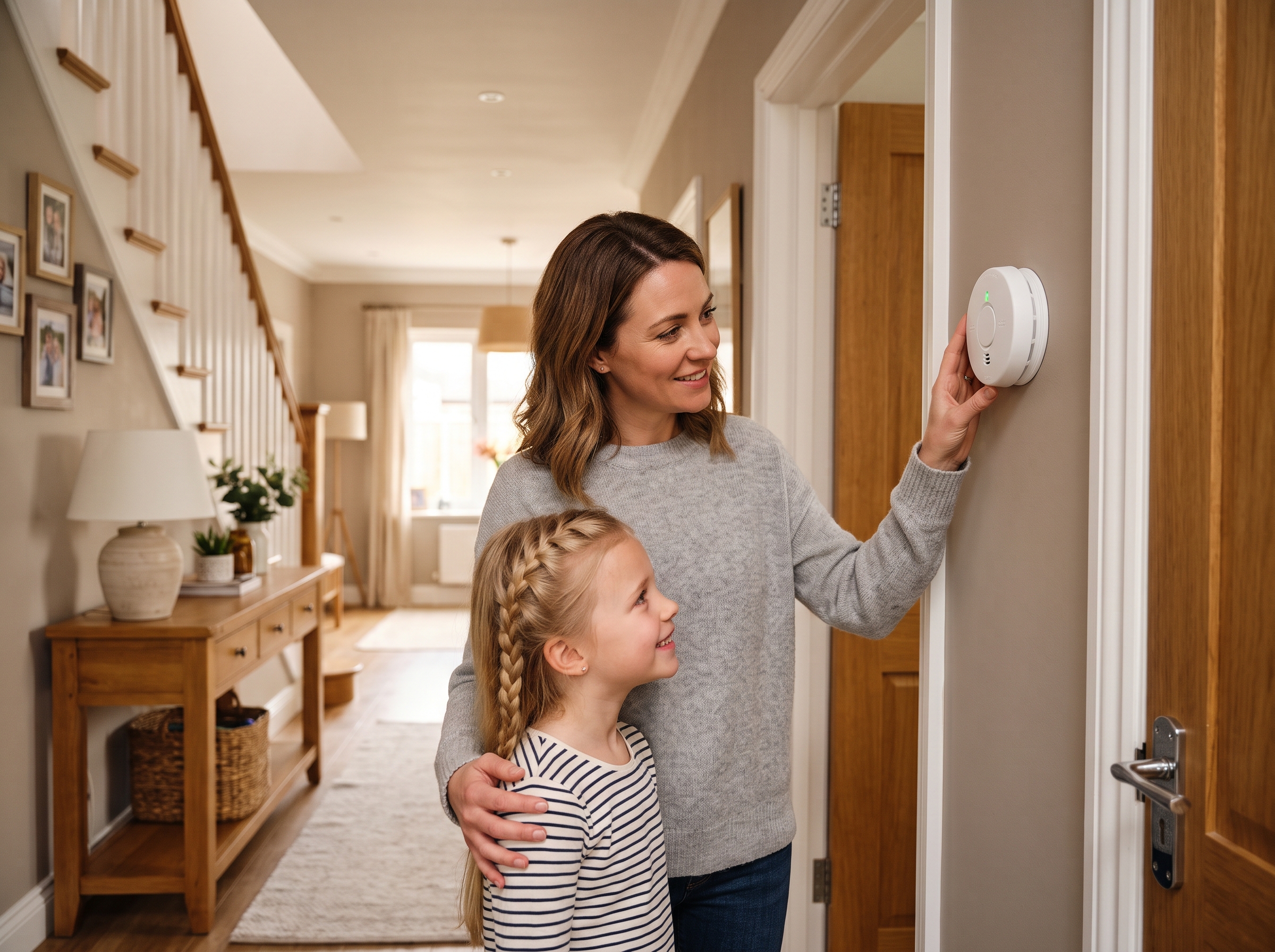
Public health guidelines from the CDC stress that carbon monoxide poisoning is entirely preventable through proper alarm placement and annual combustion equipment maintenance.
If a carbon monoxide alarm activates, never waste time searching for the source or opening windows to ventilate the home. Evacuate all occupants and pets immediately into fresh outdoor air and call 911 from a safe distance.
Professional Combustion Safety and HVAC Inspections
A licensed HVAC technician performs electronic combustion analysis to measure carbon monoxide levels inside the flue draft and along supply air registers. Technicians verify flue draft pressure, inspect venting pipes for blockages, and test high-limit controls. Homeowners evaluating older heating units can review our guide on heating system upgrades to explore sealed-combustion furnaces that vent directly outdoors.
Direct-vent, sealed-combustion heating systems draw outside air for combustion and vent exhaust directly through PVC piping. This modern architecture completely isolates fuel combustion from indoor living spaces, eliminating backdrafting hazards.
Why Alarm Safety Matters in Roselle, IL
Roselle experiences prolonged subzero stretches and heavy snowfall from late autumn through early spring. Snow drifts and ice dams can accumulate around low-mounted furnace PVC intake and exhaust pipes in local neighborhoods near Medinah and Lake Street. Strategic carbon monoxide detector placement ensures round-the-clock protection against venting blockages, keeping your family safe and warm throughout the harshest Illinois winters.
Winter storms in northern Illinois often keep homes sealed tight for days at a time to keep cold drafts out. When fresh air exchange is minimal, even slight combustion leaks can quickly build up to dangerous levels. Reliable safety alarms provide essential peace of mind throughout every winter freeze.
Frequently Asked Questions
At what height on the wall should carbon monoxide detectors be mounted?
Mount detectors about eye level or roughly five feet high on the wall, which represents normal breathing height for adults and children.
How often should home carbon monoxide alarms be tested?
Test detectors monthly using the test button, replace backup batteries twice a year, and replace the entire unit every seven to ten years.
Can a cracked furnace heat exchanger cause carbon monoxide leaks?
Yes, hairline cracks in the metal heat exchanger allow toxic combustion gases to enter the supply air stream circulated through living spaces.
Why should alarms not be installed right next to the furnace?
Placing an alarm too close to heating equipment can cause false alarms from tiny, harmless traces of gas emitted during initial burner ignition.
What should I do if my carbon monoxide alarm sounds continuously?
Evacuate all family members and pets to fresh air outside immediately and call emergency services from a neighbor house or cell phone.
Schedule Combustion Safety Service in Roselle Today
Safeguard your family with certified heating safety inspections. Comfort Pride Services offers expert furnace tune-ups, carbon monoxide testing, and heating repairs across Roselle, IL and surrounding DuPage communities. Contact our licensed HVAC team today to schedule your heating safety checkup and ensure total peace of mind.